
Digital Dog Training Textbook
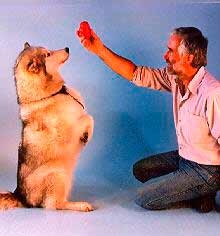
Dogs will be dogs. They are guaranteed to pee, poop, chew, dig, bark and bite. So if you invite a dog to live in your home, it is up to you to teach them where, when and how.
Raising a puppy can be a wonderfully enjoyable, or horribly frustrating experience, depending on what you know. We believe that proper dog training information is so important that it should be freely available to all, with the hope that dogs (and their humans) will be happier and healthier because of it. This is why we have created the:
The Dog Star Daily Online Digital Dog Training Textbook
It is our hope that many owners will read this information before they get their puppy, so that they will be fully prepared when they bring their pup home. If you are thinking about getting a puppy, we suggest starting at the beginning with Chapter One: BEFORE You Get Your Puppy.
However, if you already have a puppy or dog, you can go immediately to the age-relevant section for your pet. If you not only have a dog, but also have a specific behavior problem, you can go immediately to Chapter Six: Dog Behavior Problems for help.
Every page of the Training Textbook has a “Related Videos” section in the right hand column, which will display videos relevant to the section.
If you have a question about our site or your dog, please contact us.
Whether you live with a Chihuahua or a German Shepherd, a Rottweiler or a Dachshund, a Golden Retriever or a Labrador Retriever, an English Bulldog or a French Bulldog, a Beagle or a Boxer, a Yorkie, a Poodle or a Shih Tzu, all dogs need to be trained.
Whether you live with a puppy, an adolescent, an adult, or a geriatric, all dogs need to be trained. And if you are living with a puppy or an adolescent dog, your dog’s socialization and training are both essential and extremely urgent.
There is simply no excuse to deny your dog an education. By following my advice and watching the many free videos in this section, you will find that dog training is not only quick and easy, but also lots and lots of fun. I have only recommended dog-friendly training techniques that may be easily mastered by all family members, especially including children.
For easy access, I have organized the socialization and training tips chronologically, according to the age of your puppy/dog. Obviously, it is essential to learn how to choose and raise and train a dog before bringing one home. Socialization and training have many crucial deadlines, especially during the first few weeks and months after your puppy comes home. Your puppy needs to be errorlessly housetrained and chewtoy-trained within the first week at home (if not before), socialized by three months of age, and develop bite inhibition by five months.
Puppy classes are absolutely essential for your dog to learn bite inhibition and develop a soft mouth. Doggy adolescence is a turbulent time and you will have to be extra especially vigilant to make sure that your dog’s manners, behavior and temperament do not regress.
Once your dog matures, at about two years of age for small breeds but not until three years of age for large breeds, temperament and habits will become more resistant to change.
If you have followed the puppy training advice above, you will now be happy to know that your dog’s well-established good habits are just as hard to break as bad habits. If on the other hand, your adult dog has developed some behavior, temperament or training problems, retraining is still possible, but it will take much more time than preventative puppy training and, you’ll have to use different training techniques (all-or-none reward training) than the lure/reward training techniques that worked so well with your puppy.
Additionally, I have included special sections on behavior problems, dog behavior and dog-dog play, and having fun playing games with your dog.
The Dog Star Daily Digital Dog Training Textbook is an Amazing Resource.
If you want an even more amazing resource, check out The Best Online Puppy Training Programs:
The Top Dog Academy. Filled with videos, worksheets, podcasts, and more, the Top Dog Academy has everything you need to know about dog training, including, puppy training, socialization and how to resolve any type of behavior problem. When you join the Top Dog Academy you also get access to personalized email support so you can train your dog yourself. Use this link to get your first month for free.
SIRIUS Puppy Training. Looking for more support? Get personalized, real-time, video dog training guidance from an expert SIRIUS Instructor. Dr. Dunbar's SIRIUS Puppy & Dog Training classes revolutionized the world of pet dogs when they were first created. Now, our online small-group classes allow you to get the expert assistance you need from the comfort of your home.