
Separated From Life By Separation Anxiety
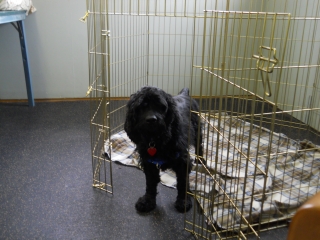
Yes, I agree excessive time has elapsed since last I blogged; life events do have a habit of intruding, particularly the planning of a wedding! Sadly, I now write of a life event which resulted in the end of a life, the life of a three year old beagle deprived of a second chance. Separation anxiety can and does end doggy lives. Recently, this young beagle, with perhaps years of life left, was separated from life by separation anxiety. She spent much of the last year in a basement crate, prior to being relinquished to SPCA. Yes, she was adopted, but by folks who were ill equipped to handle commitments of time and resources necessary. They decided not to try; her short life ended with euthanization. What if I had offered pro bono services, I ask myself? Even so, sometimes people are just not ready to take on a project.
As a professional dog trainer, I am well cognizant that not every dog can be saved. Nor do I judge people unable or unwilling to take on what can be a lengthy and daunting job. While separation anxiety can be successfully resolved, it does require excellent client commitment, time and adhering to a long term plan. Unfortunately, there is no magic wand. My friend Diane Garrod of CANINE TRANSFORMATIONS excels in treating SA (separation anxiety) and recently helped clients of mine, truly wonderfully dedicated owners, to affect positive changes in a severely afflicted Boston Terrier. Clients such as these are the ones we all dream of, when dealing with the often complex treatment of SA. I think of the beagle no longer living and wonder how I may have intervened. Unfortunately it was not to be. This is one of the more bitter pills we have to swallow. Many before me, including Diane, have written well and thoroughly about the treatment of SA. My focus lies in the need to relate this sad event. Still, it never hurts to repeat some basic principles and offer resources.
SIMPLE PREVENTION
- Teach puppies from day 1 that crates are wonderful and associated with treats. Let them discover hidden treasures. Crates used as a place to send unruly puppies as punishment are NOT good places.
- Begin teaching puppies how to be alone for short periods of time, while you are home. (see resources below)
- Never assume that after a weekend of bonding with the family, your new puppy recently separated from Mom and littermates will be just fine for 8 hours when you all go off to work and school on Monday. (sentinel events are often when someone who has been home returns to work full time)
- Leaving and returning needs to be Oh So Boring and matter of fact.
- Upon return, pay loving attention only when the excitement of your arrival home has waned, and you have a calm puppy.
- Calling a calm puppy to you for attention is FAR different from engaging with the leaping whining overly excited youngster.
- Give your puppy a valuable chew item or treat toy, let them engage, and then walk away. Come back and pick up the item. (great stuff happens when you leave, and ends when you come back)
Yes, we WANT our puppies to think Oh Thank Dawg she is leaving, finally!
The above list is not the be all and end all, by any means for SA: merely some common sense points that can make a great positive impact on prevention of SA. Briefly, knowing what to look for is a great help. Might your dog be experiencing, or prone to developing SA? Are you seeing when preparing to leave: pacing, whining, lack of appetite, clingy behavior, panting, drooling, wide eyes? Even more importantly, are you returning to destruction in the home, particularly from window vantage points, or around doorway you have exited from? Is Anxious Allie trying to eat her way out of her crate? Please, seek help sooner rather than later from a qualified behavior professional, who will use positive methods only. The longer a dog rehearses stressed behavior, the more difficult resolution will be. The earliest proper intervention is necessary. Early prevention by way of puppy classes is an excellent way to identify problematic behaviors. We are always SO happy when the issues are lack of exercise and boredom. Some reading on the subject I would recommend:
Patricia McConnell: I`ll Be Home Soon
Dr. Roger Abrantes: Dogs Home Alone
Books are available on DOGWISE
Scared To Be Home Alone: Pat Miller
That this blog may save a doggy life is a happy thought indeed, that someone, somewhere out there seeks help for a troubled dog who can be saved with some time and effort. Every dog deserves a chance at a normal life.
Until next time, hugs to your furry friends!
Leslie Fisher PMCT CPDT-KA
AKC CGC Evaluator
Member APDT MAAPPPT Force Free Dog Training, Truly Dog Friendly
ABC Student Mentor