
Advice, answers, tricks and tips for anyone who shares or is considering sharing their life with these special companions. Packed with photographs.
"But I Don't Want to Use Treats to Train!"
Nicole Wilde | Tue, 06/23/2009 - 07:59
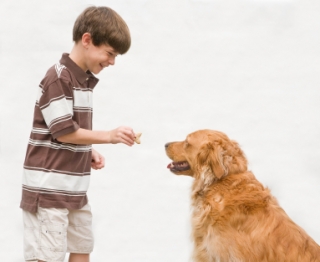
For those of us who use food treats to train, that phrase is not unfamiliar. Trainers hear it regularly from owners who believe they will end up with a dog who is dependent on treats in order to comply. If done properly, that couldn’t be farther from the truth.
I always explain to prospective clients that I use food to train behaviors, sure—it’s fast, easy, and fun. But once the dog understands and is performing a particular behavior well, he’s weaned off the treats by progressing to a schedule of random reinforcement (which really isn’t a schedule at all, but a fancy way of saying he gets rewarded every now and then—the slot machine effect), as well as substituting real life rewards such as the door opening for a walk, or a bowl being placed on the floor to allow him to eat.
Sometimes the concern with using food is that the dog will gain weight. This is a legitimate consideration, and is compounded if the dog already has weight issues. It’s true that if treat training is used heavily a dog can gain weight, just as if I were given a few dark chocolate M&Ms each time I did something right, I’d soon be complaining that my jeans were too tight (wait, I’m already there, I must be doing sooo many things right!). Here are three easy solutions:
1. At mealtime, feed only one half to two thirds of the dog’s usual ration. Use the rest as training treats throughout the day. (Easier done with kibble than, say, raw chicken backs!)
2. Cut back on the amount of food the dog gets at mealtimes to compensate for the extra calories he’s getting from training treats. Just make sure the treats are nutritious.
3. If the dog eats dry kibble, place 1/3 or so of the meal (subtracted from the regular feeding) in a plastic bag with some chicken or a hot dog. Seal and store in the fridge overnight. In the morning, remove the chicken or hot dog, and you’ll be left with yummy-smelling kibble that’s now a valuable training treat.
It’s true that some dogs are actually more motivated by play or even affection than they are by treats, and when training, you should always use what the dog finds valuable. But because most dogs are very food-motivated, keeping the option for using treats in training open is invaluable.
Products from Nicole Wilde

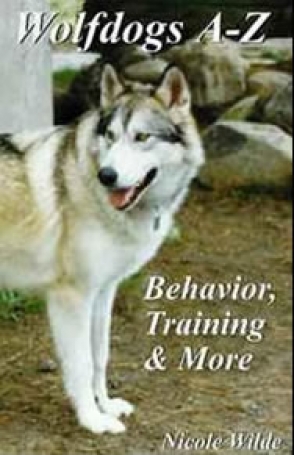
Nicole Wilde has worked with wolfdog (aka wolf hybrid) rescue, education and training for over fifteen years.
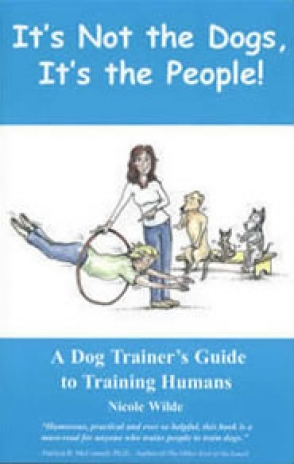
As a pet dog trainer, you have learned skills and mastered techniques that enable you to train dogs successfully. The good news is that you can do the same with your human clients! Discover powerful, practical techniques you can apply immediately.

Imagine a gentle, non-invasive healing method that can address pain, injury, and illness; speed recovery after surgery; and have remarkable effects on fear, anxiety, aggression, depression, and trauma. Energy healing can do all this and more!
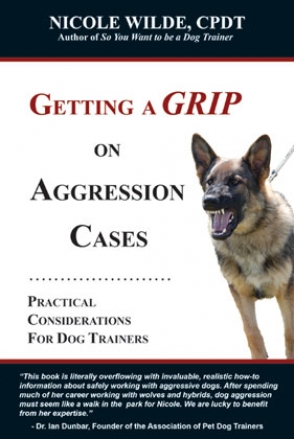
There is a lot more to working with aggression cases than mastering methods and techniques.

Is your dog afraid of strangers? Would he rather hide than play with other dogs? Does he take cover at the sound of thunder, or cringe when you pick up a brush or nail clippers? Never fear!