Voted the #1 BEST BOOK by the Association of Pet Dog Trainers. Easy, fun-loving, dog-friendly methods for teaching a new puppy old tricks (such as basic manners), or for teaching an older dog (or older owner) who is new to training.
Dr. Ian Dunbar
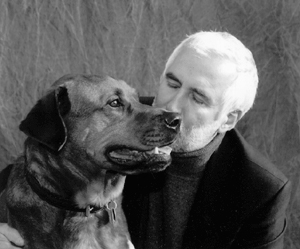
Dr. Ian Dunbar is a veterinarian, animal behaviorist, and writer. He received his veterinary degree and a Special Honors degree in Physiology & Biochemistry from the Royal Veterinary College (London University) and a doctorate in animal behavior from the Psychology Department at the University of California in Berkeley, where he spent ten years researching olfactory communication, the development of hierarchical social behavior, and aggression in domestic dogs.
Dr. Dunbar is a member of the Royal College of Veterinary Surgeons, the International Society for Applied Ethology, the American Veterinary Society of Animal Behavior, the California Veterinary Medical Association, the Sierra Veterinary Medical Association, and the Association of Pet Dog Trainers (which he founded).
Dr. Dunbar joined the Society for Veterinary Ethology (now the International Society for Applied Ethology) over 35 years ago, at which time he was the only member specializing in dog and cat behavior problems. Later he was involved in the establishment of the American SVE (now the American Veterinary Society of Animal Behavior).
He has written numerous books, including How To Teach A New Dog Old Tricks, the Good Little Dog Book and a series of Behavior Booklets—separate educational booklets on each of the most common pet behavior problems. Additionally, he has hosted eleven videotapes on puppy/dog behavior and training, including SIRIUS® Puppy Training, Training Dogs With Dunbar and Every Picture Tells A Story. All of his videos have won a variety of awards. The famous SIRIUS Puppy Training video (the first dog training video ever produced) remains the all-time best selling dog video. For three years running the SIRIUS® video has always been voted the #1 BEST DOG TRAINING VIDEO by the Association of Pet Dog trainers-the largest and most influential association of dog trainers in the world. His books and DVDs can be found at: James and Kenneth
Before SIRIUS® Puppy Training Classes there were simply no puppy classes-Dr. Dunbar developed them in 1981.
Certainly, the SIRIUS® Puppy Training video had a dramatic influence on the pet dog fancy, completely changing the way dogs are trained in a number of countries around the world. Dr. Dunbar’s unique lure/reward, off-leash training techniques provided a delightful alternative to inane and inhumane leash jerking. In a sense, SIRIUS took the jerks out of training. SIRIUS techniques have been adopted and adapted by most thinking and caring dog trainers worldwide. For more information go to: Sirius Puppy Training
Dr. Dunbar was invited to develop and write (for over seven years) the American Kennel Club's Gazette "Behavior" column, which was voted Best Dog Column for a number of years in succession by the Dog Writers' Association of America.
In 1993, Dr. Dunbar founded the Association of Pet Dog Trainers (APDT) APDT in the United States and organized the first two Annual Conferences. Dr. Dunbar's current project is the creation of the K9 GAMES®-an exciting spectator event featuring fast-moving, motivating, competitive games for dogs and owners.
He has been lecturing to veterinarians and dog clubs for over thirty years. In fact, since 1986 he has conducted over 800 days of seminar and workshop for trainers and veterinarians around the world. There are very few educated trainers who have not been strongly influenced by Dr. Dunbar's fun & games, from-the-animal's-point-of-view, dog friendly dog training.
Dr. Dunbar is peerless in his field; there is simply no other person who has his qualifications, experience, and expertise in the realm of modern psychological dog training and behavior counseling-fields which Dr. Dunbar has played a major role in developing over the past 25 years.
Dr. Dunbar's books, CDs and DVDs are available from the DogStarDaily online digital store.
Also, many of Dr. Dunbar's multi-day seminars for dog trainers and
veterinarians are available on DVD from Tawzer Dog Videos, and
his "Give Them A Scalpet and They Will Dissect A Kiss: Dog Training
Past, Present and Future" lecture is available from Dogwise.
Products from Dr. Ian Dunbar
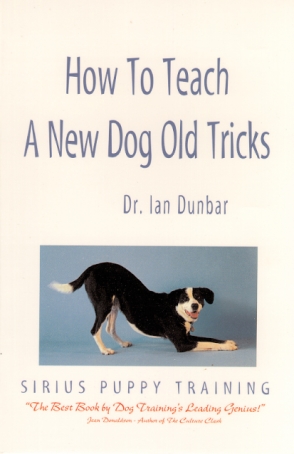
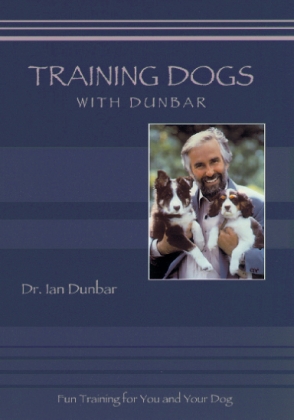
Probably the most creative, cutting-edge dog training video on the market. Dr. Dunbar's easy and enjoyable lure and reward techniques make training fun for you and your dog.
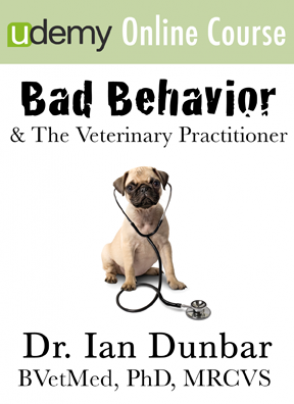
Bad behavior can ruin your practice. Train your clients to train their dogs and you're clinic will thrive!
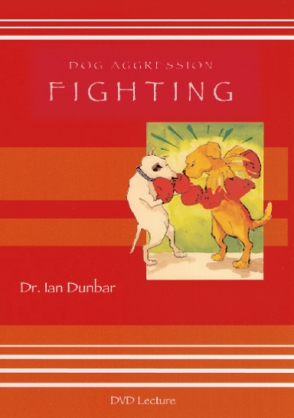
In this DVD lecture, veterinarian and animal behaviorist Dr. Ian Dunbar addresses one of the most worrying behavior problems any dog owner can face — dogs that fight.
Day 2: Behavior Counseling
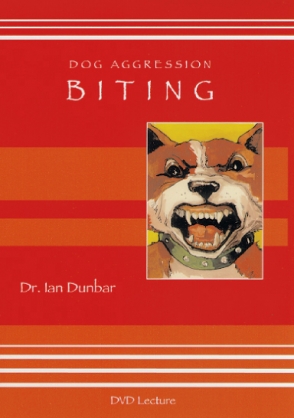
In this DVD lecture, veterinarian and animal behaviorist Dr. Ian Dunbar addresses one of the most worrying behavior problems any dog owner can face — dogs that bite.