







User warning: The following module is missing from the file system: recaptcha. For information about how to fix this, see the documentation page. in _drupal_trigger_error_with_delayed_logging() (line 1184 of includes/bootstrap.inc).
The 2 Most Common Mistakes Dog Owners Make (and How to Fix Them)
There are a couple of mistakes that dog owners frequently make which are simple to fix and have the potential to dramatically improve a dog's behavior. These mistakes are a common cause of dog
The Essential Puppy Training Course is HERE!
We are thrilled to announce the release of our all-new Essential Puppy Training Course.
We've been hard at work developing this course for the past year and are extremely excited about it. So to
New Free Course – Six Simple Steps to Solve Your Dog's Behavior Problems
We've just published a new FREE course on Dunbar Academy called Six Simple Steps to Solve Your Dog's Behavior Problems.
This course is filled with short videos and downloadable documents that provide
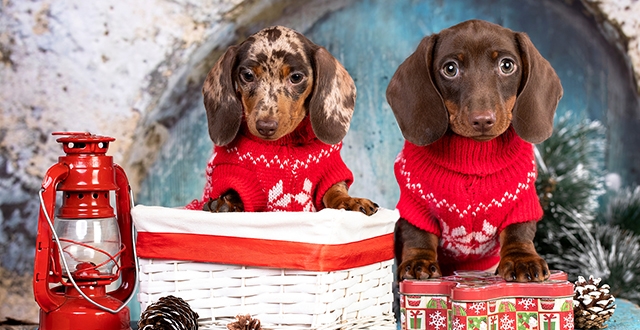
Getting a Puppy Over the Holidays
The holidays can be a wonderful time to add a puppy or dog to your family, but the holidays also present plenty of challenges. With a little preparation and thought you can get a holiday puppy and
Resolving Dog-Dog Reactivity
FOR A LIMITED TIME Watch the all-new Dunbar Academy Dog-Dog Reactivity webinar for FREE, where Dr. Ian Dunbar explains the common causes of reactivity and how to resolve reactivity using 10 easy and...
All Puppies Deserve a FIRST Chance — an EDUCATION!
Owners and their new puppies are still getting the short end of the stick. Dog problems are invariably blamed on “irresponsible dog owners” BUT they are simply at a loss for what to do, and, no...
It was October 4th, twenty four years ago today, and I was cruising down Interstate 80, headed east toward the Mississippi River. It was the kind of day that made you remember why you loved living in Iowa – trees on fire, with their crimson and gold leaves waving against a cobalt blue sky, and Hawkeye football on the radio.
I always remember this day like it was yesterday. The Hawks were trailing in the final minute of a cliff-hanger and they had just pulled one out of their proverbial hat -- er, helmet. I don’t remember much more about the game, only that I eased the car off the interstate to listen to the final moments of a totally unexpected 24-21 Hawkeye football victory.
Talley, my 5 year old bouncy anxious English Lab inspired me to get busy and write. When excited or anxious, which is often due to her temperament, she becomes, well…..bouncy! (all three labs give me plenty of scope for practice.) This behavior has been quite consistent over the five years of her loveable short stocky labbie life, and is unlikely to change. True to form this morning, excited by an impending trip to the pond, there was much bouncy bouncy behavior at the backyard gate, the magic gate to freedom. Talley knows the drill, which is why I wait for the desired behavior to happen.
1. We can and do unintentionally teach our animals things all the time. In this video I teach this hen to spin, but only realise this after I watch back the training videos.
2. Watching yourself training, back on video is a great way to help yourself improve as a teacher and learn more about your self as a trainer.
3. Don't blame the animal if they are not doing what you are trying to teach them to do. It could be YOU, yes YOU who is NOT actually teaching the animal what you think you are teaching the animal. The animal most probably is NOT trying
Dogs “talk” to us all the time, we usually don’t understand them or are not even listening. If we stop whispering to them, dominating them and commanding them but try and look at things from the dogs point of view we maybe better able to “hear” them.
Below I discuss the "guilty look", some things that we may not see or even misinterpret.
He's been here just a little over 24 hours and he's already got his first video posted! Meet Bosco. Like Flick, my banner model who graces the top of A Better Pet's web presence, this border collie mix is very smart. Unlike Flick, he is a little less manic (a LITTLE) and he's come with no apparent major baggage despite his having been rescued by my cousin Paula and her family three nights ago when he turned up in her headlights scared yet got in her car and poof, 36 hours later he arrived here and poof, six hours after that he had settled in enough to have a little lesson.
Taking a proactive role in one's life -- setting up for success [versus waiting to be disappointed by perceived failure of various proportions yet reacting with negativity without having realized it's YOUR FAULT because you failed to figure out what you want at any given time] permeates well beyond the dog training exploits that wend their ways in various forms into the The Six Pillars Approach to Dog Training.
I guess I'm just relieved I finally got The Book up online for a beta group of clients for fine tuning before making it available for sale.
The other day, on a website designed to find expert sources for articles, I saw the following request:
"Working on assigned story for a major website that covers pet health and behavior issues....designed to briefly explain both positive reinforcement as well as the owner as alpha type method... to look at the pros and cons of each method and to help people thinking of hiring a dog trainer know which method is best (for example, maybe treats and clicker training won’t work with a dog that needs serious rehabilitation).
I already have a trainer to interview for the positive reinforcement side of the story. I’m looking to...interview a trainer who adheres to the owner as alpha method...what techniques they use and why they work. Specifically that might include hand as mouth correction, prong or choke collars, alpha roll, other leash techniques, or flooding and gradual desensitization."
A very interesting question: How do children view their relationship with the family pet dog?
Research in the 1980s suggested that children tend to treat their dogs as peers. As a result of this, their level and way of interacting with dogs, it is believed that young children are considered at the most risk of dog bites compared to any other age group. We also know, that the majority of dog bites that do occur and involve children, occur within the family home. Most of these bites occur towards to face and neck area. When bites do occur there can be very serious consequences both physical and psychological for both the child and the dog.
A hot topic for sure! An incredibily important one too. No topic is more misunderstood than the use of food in dog training. By all means we should use training tools but there is indeed a lot of urgency to phase them out. Here I discuss the appropriate use, and misuse, of food in training.