







User warning: The following module is missing from the file system: recaptcha. For information about how to fix this, see the documentation page. in _drupal_trigger_error_with_delayed_logging() (line 1184 of includes/bootstrap.inc).
Help Every Puppy Get the Education They Deserve
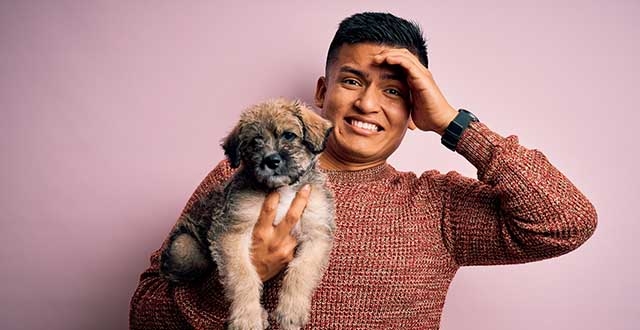
Please, please, PLEASE help us make sure every new puppy gets the education they desperately need and deserve this holiday season.
Please tell everyone you know about our 2 free puppy training...
All Puppies Deserve a FIRST Chance — an EDUCATION!
Owners and their new puppies are still getting the short end of the stick. Dog problems are invariably blamed on “irresponsible dog owners” BUT they are simply at a loss for what to do, and, no...
New Free Course – Six Simple Steps to Solve Your Dog's Behavior Problems
We've just published a new FREE course on Dunbar Academy called Six Simple Steps to Solve Your Dog's Behavior Problems.
This course is filled with short videos and downloadable documents that provide
The Essential Puppy Training Course is HERE!
We are thrilled to announce the release of our all-new Essential Puppy Training Course.
We've been hard at work developing this course for the past year and are extremely excited about it. So to
The 2 Most Common Mistakes Dog Owners Make (and How to Fix Them)
There are a couple of mistakes that dog owners frequently make which are simple to fix and have the potential to dramatically improve a dog's behavior. These mistakes are a common cause of dog
Getting a Puppy Over the Holidays
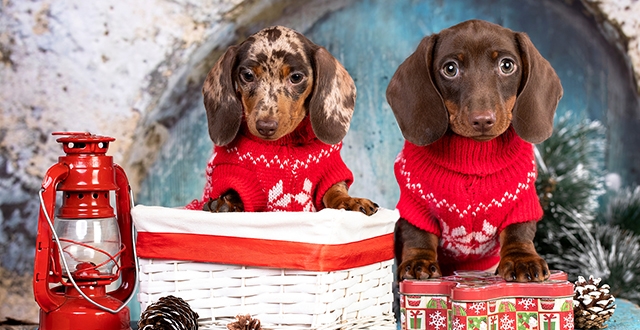
The holidays can be a wonderful time to add a puppy or dog to your family, but the holidays also present plenty of challenges. With a little preparation and thought you can get a holiday puppy and
March begins with strong sun but cold temperatures. A conflict of desire. Do I want the warm up that will = melting snow and ice. Add the melt to an already over-saturated yard equals unquantifiable mud. Add in 4 dogs in residence and a steady stream of canine visitors and it could be a disaster. I fear Bubbles is in the same quandary heralding the segue from puppyhood to early adolescence. One day she's the sweet little cooperative pup reveling in attention, seeking petting and reliably doing a multiple set of directions. The next she stares back splay legged giving defiant looks of "I don't think so" and attitude. The next she's all emotional and afraid of her shadow and skittish. Then back to confident, defiant and mischievous. I've gone through this before with both dogs and daughters. Now, however, I have both species to contend with.
What I find so fascinating about dog training is that even after 40 years in the field, I still get so thoroughly excited about new innovations. Animal training continues to be a rapidly evolving field. Off-leash puppy socialization and training classes caused a paradigm shift in obedience training — creating a new and separate field of pet dog training. Lure/reward techniques introduced science-based principles and the subsequent rapid rise in popularity of clicker training prompted many trainers to embrace the study of learning theory. And now, I think we are approaching an additional tipping point and are about to take yet another quantum leap that redefines dog training.
Last week I wrote about making the decision to either adopt a rescue or purchase a dog from a breeder. The next decision is whether or not to get a puppy. (It’s possible to get a purebred adult dog from several places, so choosing one does not preclude the other.)
The most recent onslaught of wintry weather -- a breathtakingly glistening but potentially toxic mix of ice and snow coating anything and everything in its path -- brought me out for the umpteenth cycle of shoveling this season. And as I cleared away the newly fallen inches of powder in the stunningly sunny aftermath of the deluge, I had about me the menagerie of dogs keeping me company these days. Tommy the rescue shih tzu, my newest member, is well into his third full day at Camp A Better Pet.
Sue McCabe of Muttamorphosis Dog Training & Behaviour discusses all the things a breeder should be focusing on, to ensure puppies are well socialised before leaving for their new homes. My thanks to Mary and Des Murray of Riverrun Chesapeakes (www.riverrunchesapeakes.com) for allowing me to use their home and their wonderful dogs for this video. Dam: Ch Sh Ch Arnac Bay Winota/Sire: US Ch Sugartrees Moosepond Gunner MH
In this episode the Dunbars respond to and discuss a video by John Rogerson about the declining numbers and quality of mongrel dogs in the UK. You can see it yourself at http://www.youtube.com/watch?v=1s850_3s0C8. Mongrels used to represent the naturally evolved pet dogs of a village, and so they were particularly fit for that community. Today, the demand for pure-bred dogs has distorted the gene pool of our dogs because many are being bred with little regard for their health or temperament. We need to find a way to encourage breeding for more functional attributes, otherwise the pursuit of
When dog training students enter into my classroom they quickly find out that there is nothing basic about their first course in basic training 101. As they enter the room they might find that I greet them at the door in a wheelchair. I am not physically disabled but there are millions of people who are. Every dog needs to know how to act and react when approached by a wheel chair or power chair, whether your intentions are therapy dog work or not, it’s simply an important part of a dog’s socialization skills. Working with disabled individuals for many years, I know firsthand how frightening it can be to an individual if they are approached by a barking, lunging dog.
Choosing a dog can be tough, whether you are an experienced dog person or a potential first time dog owner. There are both ethical and practical implications. During the next few weeks I am going to go over these issues and provide you with some advice and homework (for when you are looking.)
Many dogs end up in shelters because of relatively minor behavior problems. Unfortunately, most dogs then become less adoptable the longer they spend in a shelter, because whatever housetraining or socialization they do have begins to deteriorate. But it doesn’t have to be that way. In this episode the Dunbars talk about Kelly "Pet" project, Open Paw, and its vision of making every shelter a dog training and education center. It actually takes less time and energy to care for dogs using the Open Paw system, and it makes the dogs much more likely to be adopted by a loving family.