
Day 2: Reinforcement Schedules, Punishment and Rekindling the Relationship in Dog Training
He Won't Sit Still for a Second: Quantifying Success in Dog Training
Dr. Ian Dunbar | Wed, 03/13/2013 - 13:52

Years ago after a puppy class, a frustrated owner (of a Jack Russell Terrier) complained that her puppy wouldn’t sit still for a second. I got out my stopwatch and checked. She was quite correct; the puppy only sat for 0.2 of a second. I wrote the number on a sheet of paper and stuck it on the wall. On the fourth trial though, the JRT proved her wrong and sat for 1.2 seconds. I wrote the dog’s new personal best on the sheet of paper. Baby steps? Yes. But because we objectively quantified the dog’s performance, we realized that these baby steps reflected a 600% improvement. I explained to the lady that if we repeated that level of improvement just three more times, her dog would perform a four and a half minute sit stay. Every time the dog exceeded a personal best, I wrote the time on the piece of paper. It took only 20 minutes after class for the puppy to break the one-minute-sit-stay barrier.
Turning training into games and quantifying responses with a stop watch or tape measure, enables pet dog trainers to remind owners each time they surpass a personal best and that it is time to celebrate with the dog. Nothing motivates owners more when they see that they are improving, even with baby steps, and nothing advertises that you’re a great pet dog trainer than an owner’s dog repeatedly surpassing personal bests.
I kept the score sheet on the wall for the duration of the class and each week reminded the lady how far she had come. I kept the score sheet there for subsequent classes to illustrate that dog training is about behavior change. If you train, behavior will always improve. And the less your dog knows before you start training, the more you can teach and the more your dog can improve.
Products from Dr. Ian Dunbar

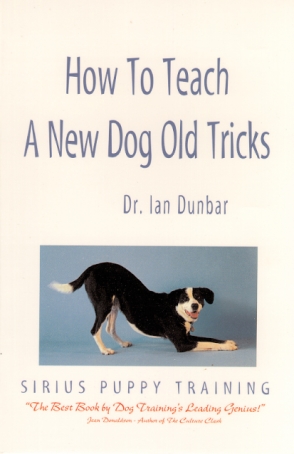
Voted the #1 BEST BOOK by the Association of Pet Dog Trainers. Easy, fun-loving, dog-friendly methods for teaching a new puppy old tricks (such as basic manners), or for teaching an older dog (or older owner) who is new to training.
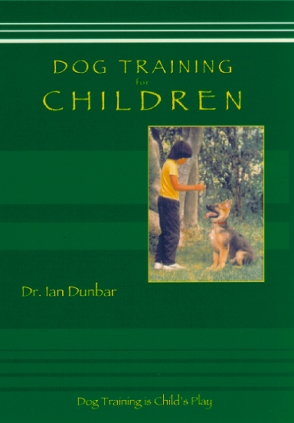
Children have natural advantages as trainers. Dogs like being with them, because they are playful and fun. All they have to do is learn a few simple training techniques and they’ll soon put grown ups in the shade.
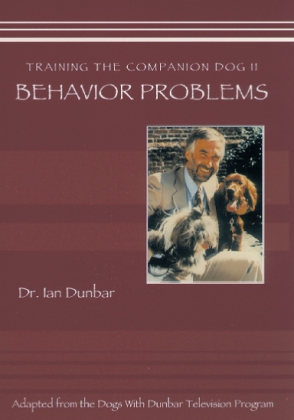
Topics include: Settle Down. Crate Training. Housetraining. Chewing. Digging. Barking. Biting.

All 4 books and 14 videos by Dr. Ian Dunbar at a discount of over 40%.
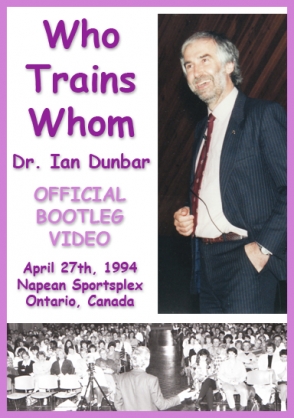
Dr. Dunbar has always been one of the best at explaining dog training from the dog’s point of view, and in this video he highlights many of the most common mistakes humans make when trying to train their dogs.