





User warning: The following module is missing from the file system: recaptcha. For information about how to fix this, see the documentation page. in _drupal_trigger_error_with_delayed_logging() (line 1184 of includes/bootstrap.inc).
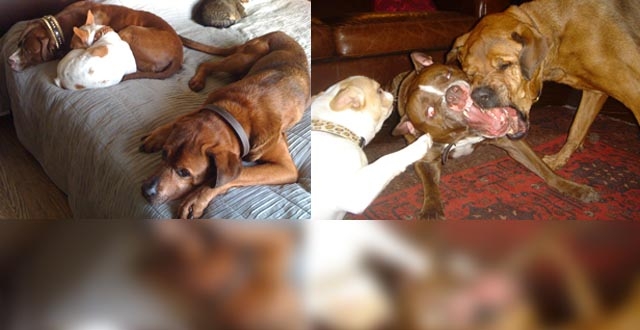
Dominance and Dogs: Who is the Boss?
Dogs often act as connectors in society. Upon sharing your life with a dog, you may find yourself talking to more people when you’re out and about at the dog park, cafes, etc, or you may even...
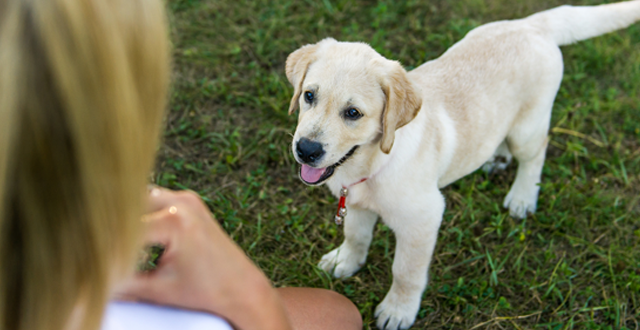
All Puppies Deserve a FIRST Chance — an EDUCATION!
Owners and their new puppies are still getting the short end of the stick. Dog problems are invariably blamed on “irresponsible dog owners” BUT they are simply at a loss for what to do, and, no...
Resolving Dog-Dog Reactivity
FOR A LIMITED TIME Watch the all-new Dunbar Academy Dog-Dog Reactivity webinar for FREE, where Dr. Ian Dunbar explains the common causes of reactivity and how to resolve reactivity using 10 easy and...
The 2 Most Common Mistakes Dog Owners Make (and How to Fix Them)
There are a couple of mistakes that dog owners frequently make which are simple to fix and have the potential to dramatically improve a dog's behavior. These mistakes are a common cause of dog
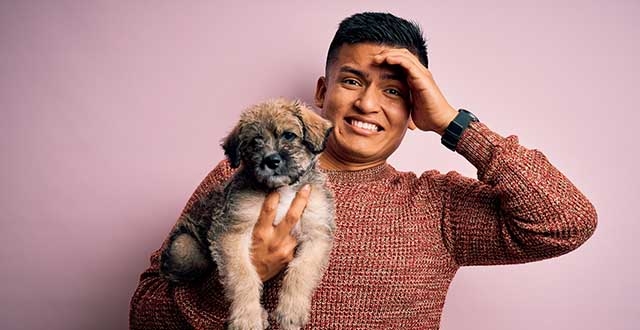
Puppies and Shelter Dogs: Two Sides of the Same Coin
I am a dog trainer and I lead a double life. Of sorts. Behaviorally speaking. I am the Director of SIRIUS Puppy Training, a San Francisco Bay Area puppy training school. Our mission is to teach new...
New Free Course – Six Simple Steps to Solve Your Dog's Behavior Problems
We've just published a new FREE course on Dunbar Academy called Six Simple Steps to Solve Your Dog's Behavior Problems.
This course is filled with short videos and downloadable documents that provide
Training a wriggly puppy to stay is takes some concentration. The dog must already have a firm understanding of the basic positions, as well as the “Off” command. Build your stays a little at a time.
Your dog is likely to get over-excited while meeting people on the street. So repeat it over and over again until they’re calm enough that you can have them sit to say hello.
A dog that doesn’t settle down on command is going to be a pain to live with. It can be very useful to train several down positions, depending on how long you want them to stay down.
Many dogs live largely isolated lives, and rarely get the chance to meet, let alone play with new dogs. If your pup is going to get along with other dogs, they must continue to meet and play with new dogs.
Dogs often behave differently with different people. In a family, it’s very important that all members train with the dog so that everyone has a similar level of control.
Punishment is a necessary part of a complete training program. However, punishment does not need to be painful or scary. If you’re mean to your dog they’ll become anti-social and difficult to train.
If your puppy doesn’t learn to enjoy having their collar grabbed, you’ll end up with a dog that runs circles around you, which makes for a lot of potentially embarrassing or dangerous situations.
Be ready to reward your dog at the right time. If your dog is not acting like you want it to, watch them closely and be ready to promptly reward as soon as they do something you do want.
Puppy biting is a vital part of dog development. Do not stop them from mouthing until you’ve trained them to have a gentle mouth. Then they won’t get into trouble by hurting other people or dogs.
“Off” is a crucial command. You don’t want your dog to constantly lick, mouth or paw your hand, just because your holding a treat. It’s easy to do, start with a second, then reward progressively longer durations.