












User warning: The following module is missing from the file system: recaptcha. For information about how to fix this, see the documentation page. in _drupal_trigger_error_with_delayed_logging() (line 1184 of includes/bootstrap.inc).
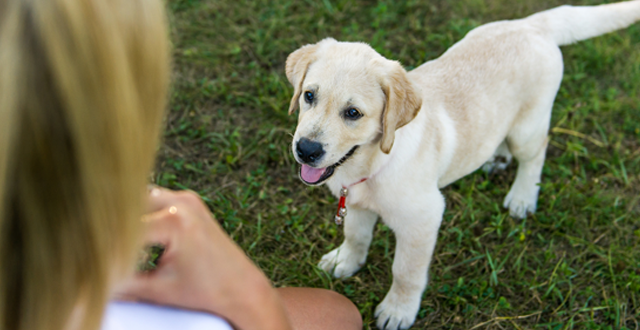
Puppies and Shelter Dogs: Two Sides of the Same Coin
I am a dog trainer and I lead a double life. Of sorts. Behaviorally speaking. I am the Director of SIRIUS Puppy Training, a San Francisco Bay Area puppy training school. Our mission is to teach new...
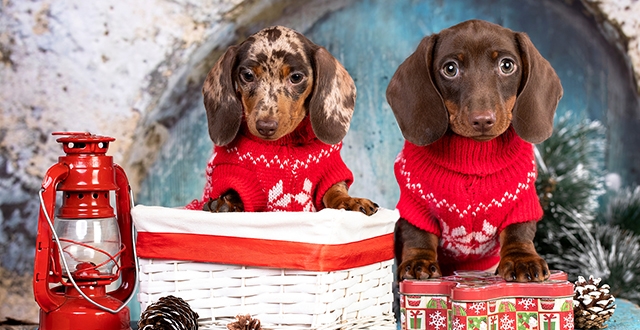
Getting a Puppy Over the Holidays
The holidays can be a wonderful time to add a puppy or dog to your family, but the holidays also present plenty of challenges. With a little preparation and thought you can get a holiday puppy and
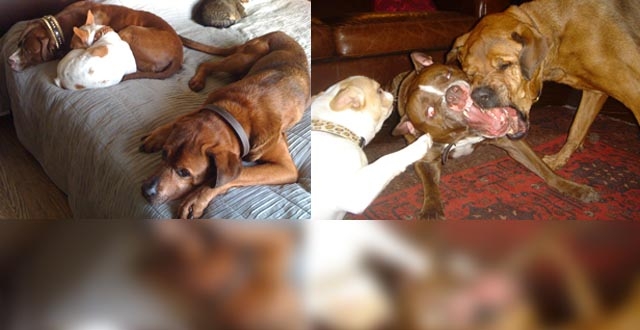
Resolving Dog-Dog Reactivity
FOR A LIMITED TIME Watch the all-new Dunbar Academy Dog-Dog Reactivity webinar for FREE, where Dr. Ian Dunbar explains the common causes of reactivity and how to resolve reactivity using 10 easy and...
All Puppies Deserve a FIRST Chance — an EDUCATION!
Owners and their new puppies are still getting the short end of the stick. Dog problems are invariably blamed on “irresponsible dog owners” BUT they are simply at a loss for what to do, and, no...
The 2 Most Common Mistakes Dog Owners Make (and How to Fix Them)
There are a couple of mistakes that dog owners frequently make which are simple to fix and have the potential to dramatically improve a dog's behavior. These mistakes are a common cause of dog
Dominance and Dogs: Who is the Boss?
Dogs often act as connectors in society. Upon sharing your life with a dog, you may find yourself talking to more people when you’re out and about at the dog park, cafes, etc, or you may even...
When I attended a 2 - day seminar by legendary animal trainer Bob Baily last year I was not surprised when he said that the “greatest tool an animal trainer has is film”.
What I was surprised at was the small amount of hands that went up when he asked the audience of more than 200 people “who films themselves training”? …”and not just the dog” he added “how many film yourselves while training”? Even more hands went down.
Considering that just about everyone has a phone that also shoots film or considering how inexpensive a quality camera is these days, why are more people not filming their dog training?
I’ve just published “Dogs And Children,” the first time the original little book in Danish is translated into English. Its goal was to provide dog owners with sound advice that would help them prevent accidents from happening and, as such, I believe that it can still perform the same role today as it did 26 years ago.
I cannot give you the whole book here, but I couldn’t bear not giving my faithful readers on Dog Star Daily at least some of it because this is an extremely important topic as far as I’m concerned. I chose, therefore, to write a short blog giving you a few extracts from the book. If you’re interested, you can read the whole book online and free of charge here.
Today I posted a link to a video entitled “Dogs Don’t Like Hugs” on my facebook page. The first few comments have compelled me to elaborate on my position, and since today is HUG-YOUR-DOG Day, now is as good a time as any. Dogs don't hug each other. I do admit, if we socialize them early on with our quirky human behaviors, then they can learn what we do and that it means good. However, far too many dogs are not sufficiently socialized. I have personally worked with many dogs that are constantly stressed by things that make us feel good. HUGS are not understood to mean affection by your average dog.
Barking is a huge problem for many owners and often I see so many people use various aversives to stop it. This video looks as possible explantions and suggests a few tips to try.
Want to learn details about Har-Vest: 3-in-1 Backpack For Dogs AND get a great special good through April 30, 2012? Listen to Episode 4 of my interview with host Ken Jones of PET TECH RADIO and get a rare and generous FREE GIFT with your purchase.
A picture and the subsequent conversation on Facebook has compelled me to write this blog post. The conversation is about a picture making the internet rounds. It is a picture of four dead dogs lying on the floor of a shelter truck. At the top right of the picture are the words, "If you breed or buy, you are responsible for this."
Dogs and games with humans seem to be something that has existed since time and memorial. After all a dog that tracks prey could be playing the game called survival and the prize or “goal” or reward is the food.
Dogs and humans also both like games for the sheer fun of playing an activity that we find rewarding with no apparent survival contingency.
About 5 years ago as I tossed a ball towards my dog Keyshia it went under and through her belly and I said, “Hey that could be a goal?”
Did she cheat me? Did she manipulate me. Or was it a proof that my English Cocker Spaniel had a sense of self-respect; that dogs behave intelligently?
It happened long ago, but I still think about it, trying to find a plausible and scientifically correct explanation. My dogs have always been fun dogs, independent and skillful, but manipulative and naughty at the same time. It’s my fault. I’ve brought them up to be that way. I trained them because at the time (the beginning of the 1980s) I was keen on demonstrating that there were other ways of training dogs than the traditional, mostly compulsory and often forceful methods of the old school. Since I believed (and still do) that the best way to have someone change is not by forcing, persuading or convincing, but rather by showing attractive results, I trained my dogs to help me in this quest, and none more than Petrine, my female, red English Cocker Spaniel did so.
I owe the internet a debt of gratitude. Twitter and facebook, and of course Dog Star Daily, have opened up some great friendships and collaborations for me and have allowed me to meet some amazing dog trainers from all over the world. I have learned a lot and remain humbled by their skill, experience and compassion. I thought it was my turn to repay some of this debt by introducing some of the top pet behaviourists here in the UK so we can share their experiences, too. What makes someone choose this career?
Rosie Barclay BSc(Hons) MPhil CCAB is a Certificated Clinical Animal Behaviourist and Chair of the Association of Pet Behaviour Counsellors (APBC). As well as TV and radio appearances and working with dogs and owners, Rosie has used her skills to help the animals at the Durrell Wildlife Conservation Trust in Jersey. I asked Rosie how she first got into the training world.